
Quantum Research at the Simons Institute
In the wake of the National Quantum Initiative, the Simons Institute’s Research Pod in Quantum Computing brings together researchers from computer...
A Sloan Research Fellowship is one of the most prestigious awards available to early-career researchers.
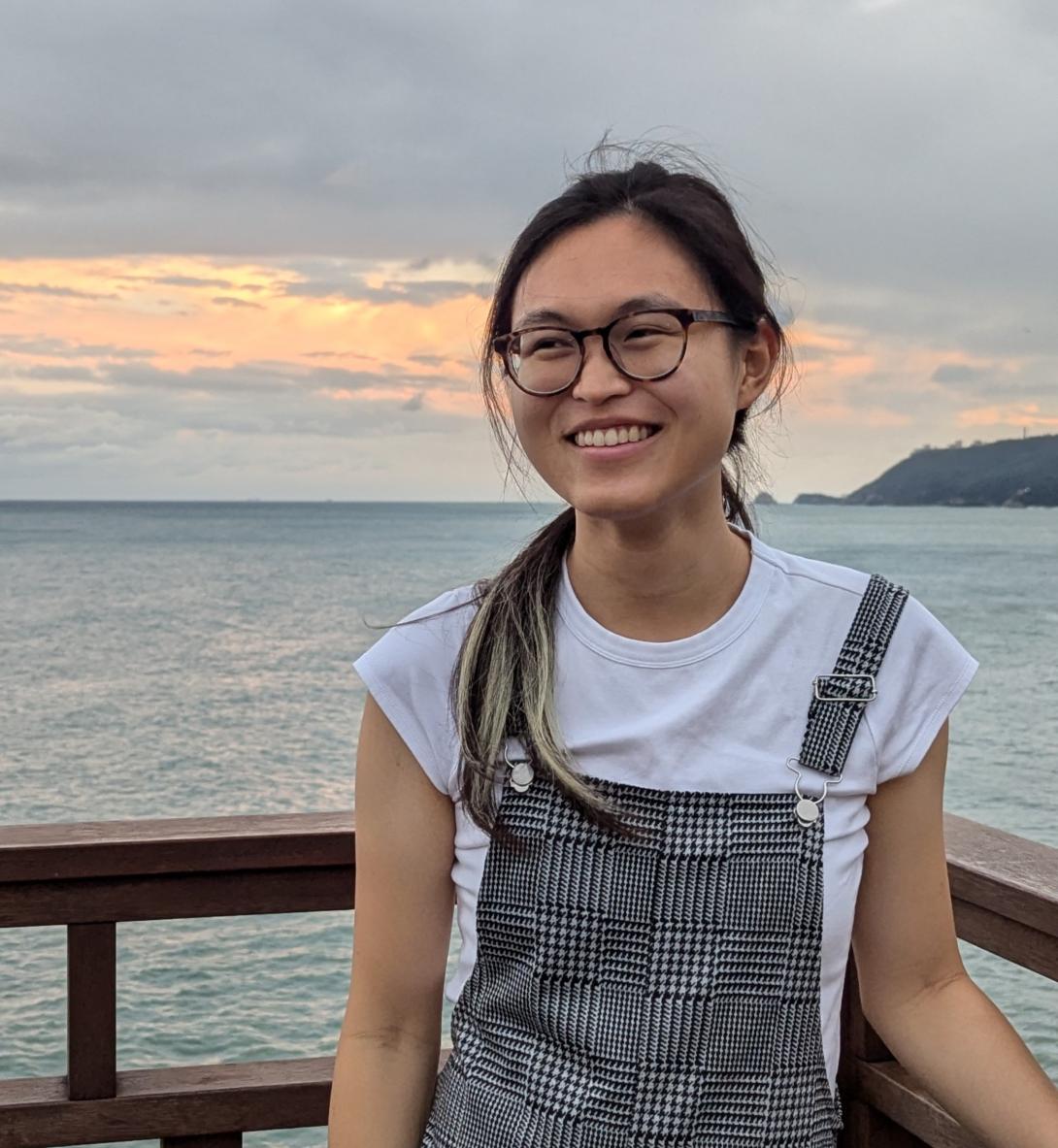
We’re delighted to share that Miller fellow and Simons Institute Quantum Pod postdoc Ewin Tang has been awarded the 2025 Maryam Mirzakhani New...
The Simons Institute for the Theory of Computing has received a $300,000 grant from the UC Noyce Initiative to hold a research program on Cryptography...
421 videos
The Boot Camp is intended to acquaint program participants with the key themes of the program. It will consist of five mini crash courses, plus a sequence of overview talks as follows:
Mini Crash Courses
Thomas Vidick (Massachusetts Institute of Technology): "Quantum Games and Semi-Definite Programming"
Ashwin Nayak (University of Waterloo): "Quantum Information Theory"
Luca Trevisan (Stanford University): "The Classical PCP Theorem"
Ben Reichardt (University of Southern California): "Quantum Error Correction"
Zeph Landau (UC Berkeley): "Tensor Networks"
Overview Talks
Umesh Vazirani (UC Berkeley): "Introduction to Quantum Hamiltonian Complexity"
Anne Broadbent (University of Waterloo): "Delegated Quantum Computation"
Yaoyun Shi (University of Michigan): "Untrusted Quantum Devices"
Daniel Nagaj (University of Vienna): "Quantum Complexity and Condensed Matter Physics"
Zeph Landau (UC Berkeley): "The Complexity of Ground States"
Aram Harrow (Massachusetts Institute of Technology): "Application of Quantum Information Theory in QHC"
Patrick Hayden (Stanford University): "Quantum Information Measures and Black Holes"
Thomas Vidick (Massachusetts Institute of Technology): "The Quantum PCP Theorem"
Aram Harrow (Massachusetts Institute of Technology): "SDP Hierarchies and Quantum States"
Daniel Nagaj (University of Vienna): "Many-body Physics and Complexity"
John Preskill (California Institute of Technology): "Simulating Quantum Field Theory with a Quantum Computer"
Click here for a set of introductory notes on the field of Quantum Hamiltonian Complexity intended to complement the Boot Camp.
The Boot Camp is intended to acquaint program participants with the key themes of the program. It will consist of five mini crash courses, plus a sequence of overview talks as follows:
Mini Crash Courses
Thomas Vidick (Massachusetts Institute of Technology): "Quantum Games and Semi-Definite Programming"
Ashwin Nayak (University of Waterloo): "Quantum Information Theory"
Luca Trevisan (Stanford University): "The Classical PCP Theorem"
Ben Reichardt (University of Southern California): "Quantum Error Correction"
Zeph Landau (UC Berkeley): "Tensor Networks"
Overview Talks
Umesh Vazirani (UC Berkeley): "Introduction to Quantum Hamiltonian Complexity"
Anne Broadbent (University of Waterloo): "Delegated Quantum Computation"
Yaoyun Shi (University of Michigan): "Untrusted Quantum Devices"
Daniel Nagaj (University of Vienna): "Quantum Complexity and Condensed Matter Physics"
Zeph Landau (UC Berkeley): "The Complexity of Ground States"
Aram Harrow (Massachusetts Institute of Technology): "Application of Quantum Information Theory in QHC"
Patrick Hayden (Stanford University): "Quantum Information Measures and Black Holes"
Thomas Vidick (Massachusetts Institute of Technology): "The Quantum PCP Theorem"
Aram Harrow (Massachusetts Institute of Technology): "SDP Hierarchies and Quantum States"
Daniel Nagaj (University of Vienna): "Many-body Physics and Complexity"
John Preskill (California Institute of Technology): "Simulating Quantum Field Theory with a Quantum Computer"
Click here for a set of introductory notes on the field of Quantum Hamiltonian Complexity intended to complement the Boot Camp.
The Boot Camp is intended to acquaint program participants with the key themes of the program. It will consist of five mini crash courses, plus a sequence of overview talks as follows:
Mini Crash Courses
Thomas Vidick (Massachusetts Institute of Technology): "Quantum Games and Semi-Definite Programming"
Ashwin Nayak (University of Waterloo): "Quantum Information Theory"
Luca Trevisan (Stanford University): "The Classical PCP Theorem"
Ben Reichardt (University of Southern California): "Quantum Error Correction"
Zeph Landau (UC Berkeley): "Tensor Networks"
Overview Talks
Umesh Vazirani (UC Berkeley): "Introduction to Quantum Hamiltonian Complexity"
Anne Broadbent (University of Waterloo): "Delegated Quantum Computation"
Yaoyun Shi (University of Michigan): "Untrusted Quantum Devices"
Daniel Nagaj (University of Vienna): "Quantum Complexity and Condensed Matter Physics"
Zeph Landau (UC Berkeley): "The Complexity of Ground States"
Aram Harrow (Massachusetts Institute of Technology): "Application of Quantum Information Theory in QHC"
Patrick Hayden (Stanford University): "Quantum Information Measures and Black Holes"
Thomas Vidick (Massachusetts Institute of Technology): "The Quantum PCP Theorem"
Aram Harrow (Massachusetts Institute of Technology): "SDP Hierarchies and Quantum States"
Daniel Nagaj (University of Vienna): "Many-body Physics and Complexity"
John Preskill (California Institute of Technology): "Simulating Quantum Field Theory with a Quantum Computer"
Click here for a set of introductory notes on the field of Quantum Hamiltonian Complexity intended to complement the Boot Camp.
The Boot Camp is intended to acquaint program participants with the key themes of the program. It will consist of five mini crash courses, plus a sequence of overview talks as follows:
Mini Crash Courses
Thomas Vidick (Massachusetts Institute of Technology): "Quantum Games and Semi-Definite Programming"
Ashwin Nayak (University of Waterloo): "Quantum Information Theory"
Luca Trevisan (Stanford University): "The Classical PCP Theorem"
Ben Reichardt (University of Southern California): "Quantum Error Correction"
Zeph Landau (UC Berkeley): "Tensor Networks"
Overview Talks
Umesh Vazirani (UC Berkeley): "Introduction to Quantum Hamiltonian Complexity"
Anne Broadbent (University of Waterloo): "Delegated Quantum Computation"
Yaoyun Shi (University of Michigan): "Untrusted Quantum Devices"
Daniel Nagaj (University of Vienna): "Quantum Complexity and Condensed Matter Physics"
Zeph Landau (UC Berkeley): "The Complexity of Ground States"
Aram Harrow (Massachusetts Institute of Technology): "Application of Quantum Information Theory in QHC"
Patrick Hayden (Stanford University): "Quantum Information Measures and Black Holes"
Thomas Vidick (Massachusetts Institute of Technology): "The Quantum PCP Theorem"
Aram Harrow (Massachusetts Institute of Technology): "SDP Hierarchies and Quantum States"
Daniel Nagaj (University of Vienna): "Many-body Physics and Complexity"
John Preskill (California Institute of Technology): "Simulating Quantum Field Theory with a Quantum Computer"
Click here for a set of introductory notes on the field of Quantum Hamiltonian Complexity intended to complement the Boot Camp.
The Boot Camp is intended to acquaint program participants with the key themes of the program. It will consist of five mini crash courses, plus a sequence of overview talks as follows:
Mini Crash Courses
Thomas Vidick (Massachusetts Institute of Technology): "Quantum Games and Semi-Definite Programming"
Ashwin Nayak (University of Waterloo): "Quantum Information Theory"
Luca Trevisan (Stanford University): "The Classical PCP Theorem"
Ben Reichardt (University of Southern California): "Quantum Error Correction"
Zeph Landau (UC Berkeley): "Tensor Networks"
Overview Talks
Umesh Vazirani (UC Berkeley): "Introduction to Quantum Hamiltonian Complexity"
Anne Broadbent (University of Waterloo): "Delegated Quantum Computation"
Yaoyun Shi (University of Michigan): "Untrusted Quantum Devices"
Daniel Nagaj (University of Vienna): "Quantum Complexity and Condensed Matter Physics"
Zeph Landau (UC Berkeley): "The Complexity of Ground States"
Aram Harrow (Massachusetts Institute of Technology): "Application of Quantum Information Theory in QHC"
Patrick Hayden (Stanford University): "Quantum Information Measures and Black Holes"
Thomas Vidick (Massachusetts Institute of Technology): "The Quantum PCP Theorem"
Aram Harrow (Massachusetts Institute of Technology): "SDP Hierarchies and Quantum States"
Daniel Nagaj (University of Vienna): "Many-body Physics and Complexity"
John Preskill (California Institute of Technology): "Simulating Quantum Field Theory with a Quantum Computer"
Click here for a set of introductory notes on the field of Quantum Hamiltonian Complexity intended to complement the Boot Camp.
This workshop will focus on quantum interactive proofs and entangled quantum games. It will include recent advances in our understanding of the complexity class QMIP of multiple entangled provers, as well as QPIP, quantum polynomial time bounded provers. The workshop will also address quantum PCP from an interactive proof perspective.
Enquiries may be sent to the organizers at this address.
This workshop will focus on quantum interactive proofs and entangled quantum games. It will include recent advances in our understanding of the complexity class QMIP of multiple entangled provers, as well as QPIP, quantum polynomial time bounded provers. The workshop will also address quantum PCP from an interactive proof perspective.
Enquiries may be sent to the organizers at this address.
This workshop will focus on quantum interactive proofs and entangled quantum games. It will include recent advances in our understanding of the complexity class QMIP of multiple entangled provers, as well as QPIP, quantum polynomial time bounded provers. The workshop will also address quantum PCP from an interactive proof perspective.
Enquiries may be sent to the organizers at this address.
This workshop will focus on quantum interactive proofs and entangled quantum games. It will include recent advances in our understanding of the complexity class QMIP of multiple entangled provers, as well as QPIP, quantum polynomial time bounded provers. The workshop will also address quantum PCP from an interactive proof perspective.
Enquiries may be sent to the organizers at this address.
This workshop will focus on quantum interactive proofs and entangled quantum games. It will include recent advances in our understanding of the complexity class QMIP of multiple entangled provers, as well as QPIP, quantum polynomial time bounded provers. The workshop will also address quantum PCP from an interactive proof perspective.
Enquiries may be sent to the organizers at this address.
The Summer Cluster on Quantum Computing brings together researchers from academia and industry to explore topics from quantum complexity theory and cryptography to quantum algorithms, benchmarking, error correction, and fault tolerance. The cluster...
This program brings together researchers from computer science, physics, chemistry, and mathematics to address current challenges in quantum computing, such as the efficiency of protocols for fault-tolerant quantum computation, scalable proofs of...
The Summer Cluster on Quantum Computing will bring together researchers from academia and industry to explore topics from quantum complexity theory and cryptography to quantum algorithms, error-correction and fault tolerance, and benchmarking. ...
This program will bring together researchers from computer science, physics, chemistry and mathematics to focus on the two grand challenges of quantum computation: developing the most promising algorithmic applications for quantum computers, and...
Quantum Hamiltonian complexity is an exciting area combining deep questions and techniques from both quantum complexity theory and condensed matter physics. This interdisciplinary program will explore these connections and seek to establish a...
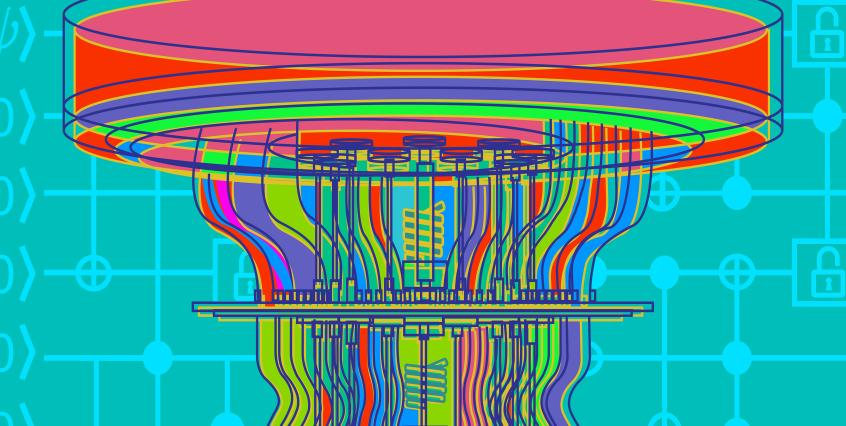
Quantum Research at the Simons Institute
The Simons Institute offers a variety of Quantum related programming from the ongoing Quantum Pod to semester long focused Quantum programs and clusters. We host Quantum related workshops, lectures, and activities such as the recurring Quantum Colloquium series and Quantum Industry Day. Much of this is made possible thanks to funding from the Quantum Pod and its grantors.